Recommended Reading
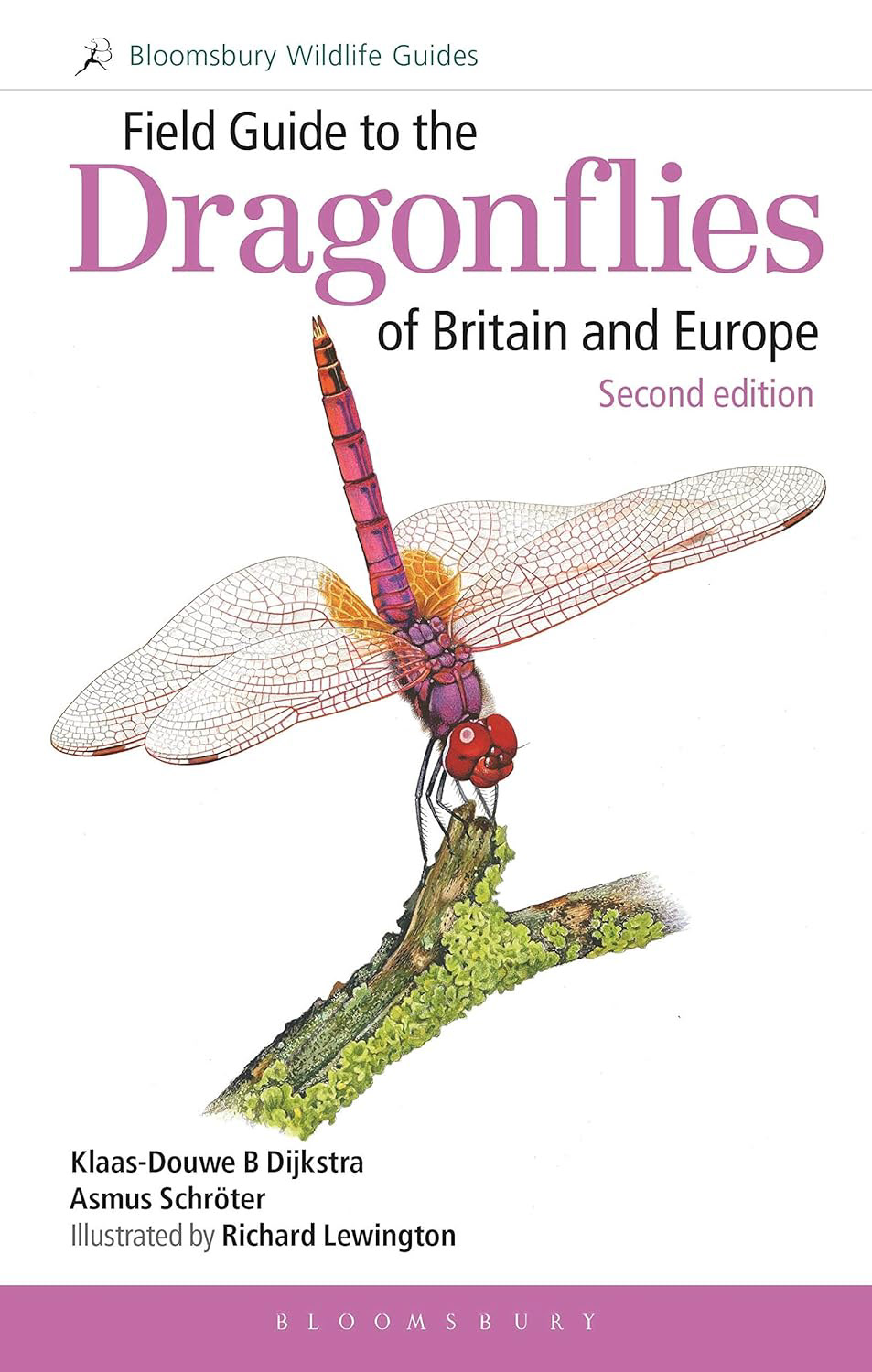
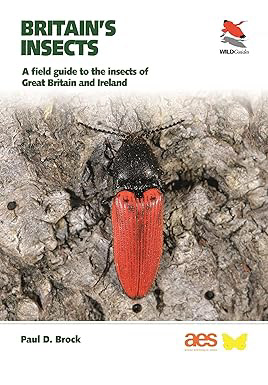
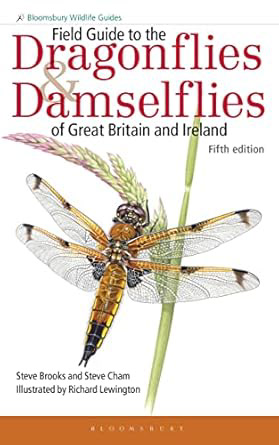
First port of call for knowledge. The modern way is to search the web, but nothing beats a good book. Here are a few of my favourite references.

Other Resources
Forums, Blogs and other dragonfly content
A first port of call for UK Dragonflies with comprensive species guides, latest news and a lot more
Fellow enthusiast and top photographer Mark Heath with a fine blog
A new and growing forum based community for dragonfly enthusiasts
Doug Overton's excellent site containing photos, photographic techniques, videos, sites and a forum
Dragonfly Videos
Please be advised these video links may not be veiwed on some mobile devices or in some countries
Male damselflies compete for females, grabbing them from the water. The males try to keep hold of their female after mating, but when she disappears underwater to lay her eggs, they can be dragged under. Other males flutter around the pair as they submerge.
The summer rains have softened the ground and from out of the peat bogs emerge this year's dragonflies. There are more species here at Loch Marie than anywhere else In Scotland, thriving on the abundance of rain and midges, which makes this one of the best places in Britain to see dragonflies.
A damselfly's adult life is so short that a newly hatched female must mate and lay her eggs in the same day that she hatches. Her success will depend on her fragile wings. Few insects can escape from a spider's web, but her wings are more powerful than they look and the female manages to pull free and avoid a sticky end.
Some fossils are almost identical to animals alive today - these are known as living fossils. David Attenborough compares the fossilized crocodile jaw to that of a living crocodile. A 150 million year old dragonfly fossil has the same body plan as a modern dragonfly. And we know what creature lived in a 50 million year old nautilus shell, because pearly nautiluses still swim in the Pacific today.
A superb article in the New York Times with some stunning slow-motion video of dragonflies feeding. Impressive to know that dragonflies are probably the most efficient hunterm with a success rate of 95%